Dry traps
Every drain has a trap that holds water to block sewer gas. Drains that are rarely used, like a guest bathroom shower or a basement floor drain, can dry out. Running water in each drain for a minute usually ends the smell.
A failed toilet seal
If the smell is strongest near a toilet, especially one that rocks, the wax seal under it may have failed. That lets gas and sometimes water escape around the base. Resetting the toilet on a new seal fixes it.
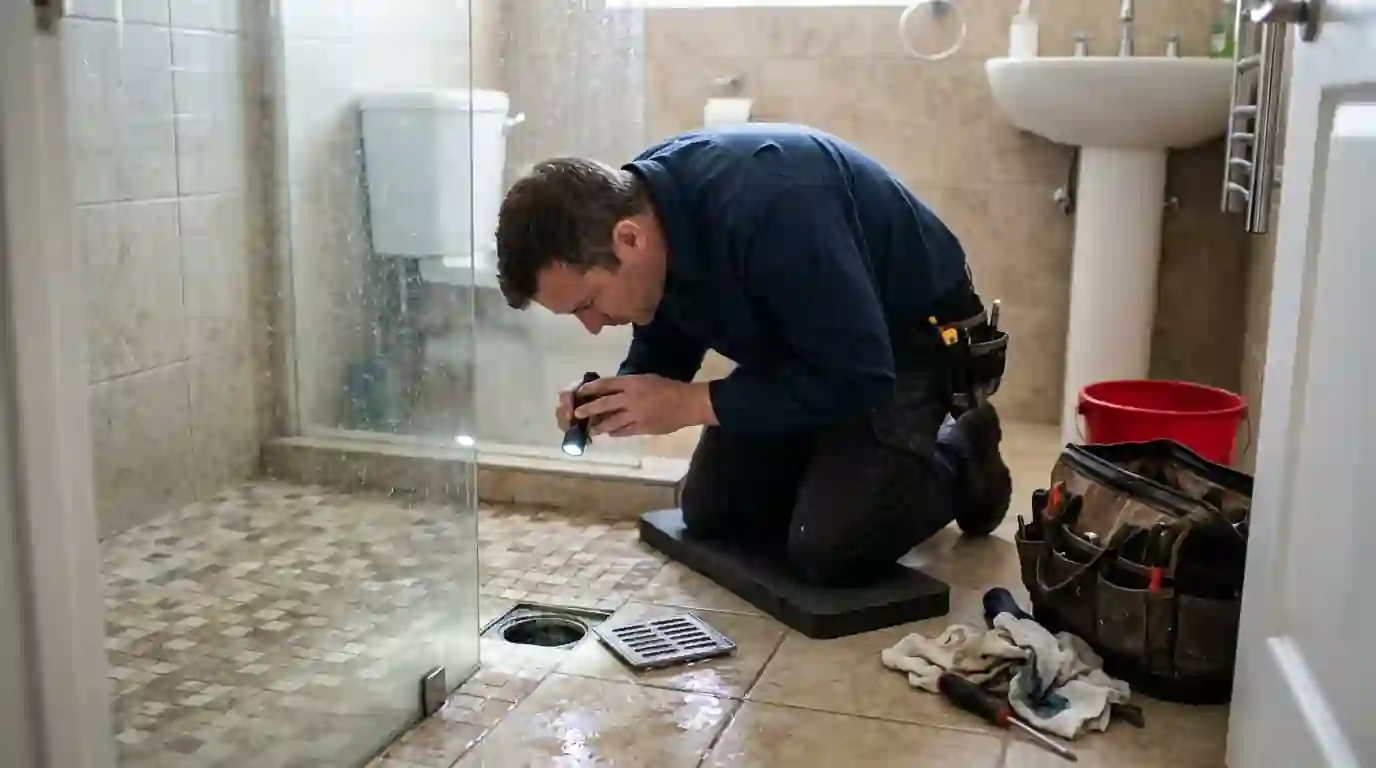
Vent problems
Plumbing vents on the roof let sewer gas escape outside. If a vent is blocked by leaves or a nest, drains may gurgle and smells can be pulled into the house through traps.
- Gurgling drains
- Slow draining throughout the house
- Smell after flushing or running the washer
Crawl space and sewer leaks
In crawl space homes, a cracked drain line or loose joint under the floor can leak wastewater into the crawl space, and the smell rises into the house. A musty sewer smell with no obvious source is worth a crawl space look.
When to call right away
If the smell is strong, comes with slow drains everywhere, or there is visible sewage, call. Those point to a main line problem, and continuing to use water can make it worse.
Questions readers ask
Can a sewer smell come from the water heater?
A rotten egg smell from hot water only is often a reaction with the anode rod, not sewer gas. Replacing the anode with a different type usually fixes it.
Is sewer gas dangerous?
In normal household amounts it is mostly unpleasant, but strong or persistent odors should be fixed promptly. If you smell gas like rotten eggs near appliances, treat it as a possible gas leak.
Sidney Treadway edits Homeowner Help for Plumbcraft Services, turning the questions our plumbers hear on calls into plain, practical articles for Upstate homeowners. About the editor