Where to look
Find where the water line comes into the house, usually right before the main shut-off valve. In crawl space homes that is under the front of the house; in slab homes it is often in the garage or a utility closet. You only need a few inches of exposed pipe before the valve.
The magnet and key test
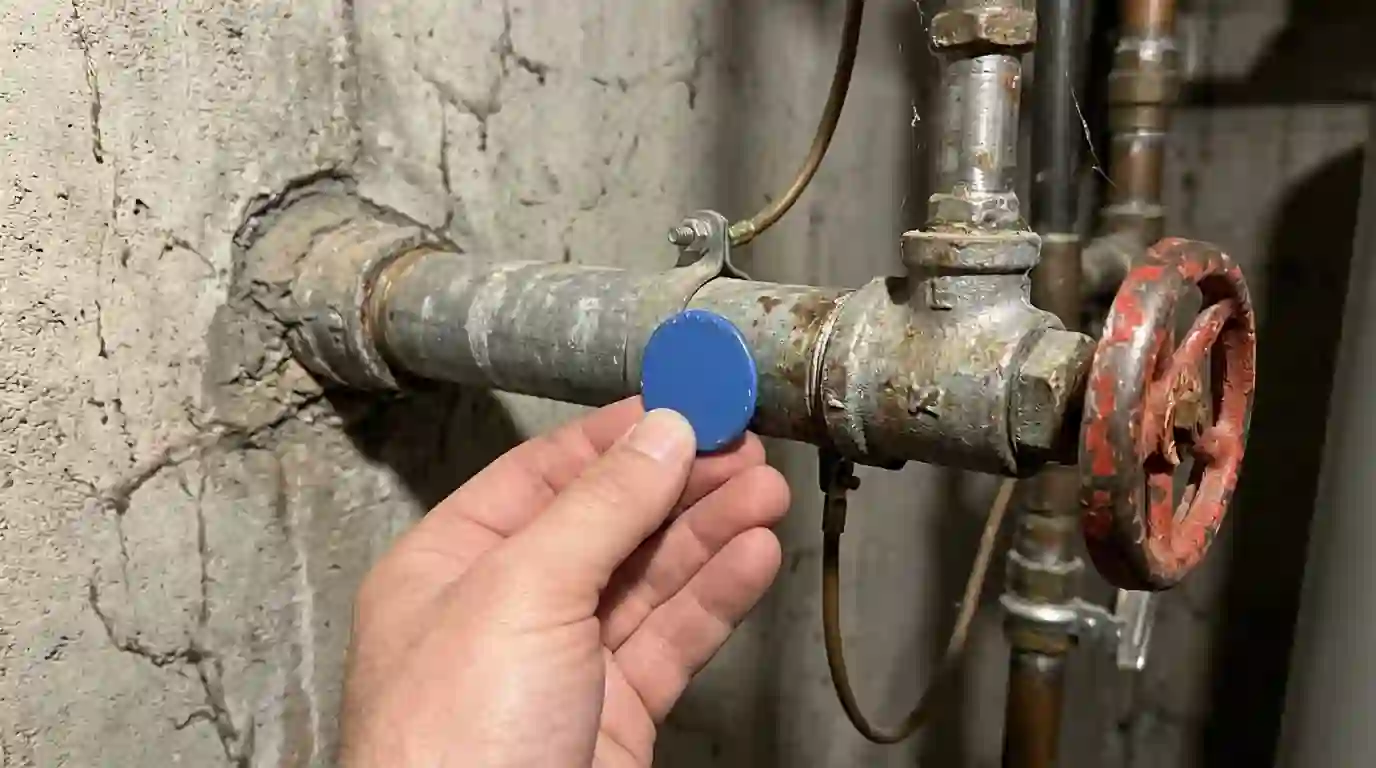
Gently scratch the pipe surface with a key and hold a refrigerator magnet to it. The combination tells you what you are looking at.
- Lead: dull gray, scratches to shiny silver, magnet does not stick
- Galvanized steel: gray, magnet sticks
- Copper: orange-brown like a penny, magnet does not stick
- Plastic: blue, black, white or gray plastic pipe
What the answer means
Copper and modern plastic lines are generally fine. Galvanized lines can rust inside and lower pressure, and in some replacement programs galvanized lines that were once connected to lead are counted as needing replacement too. A lead line should be replaced.
Until a lead line is replaced
Run the cold tap for a minute or two before drinking in the morning or after the water sits for hours, use cold water for cooking and baby formula, and clean faucet aerators regularly. Your water provider can tell you about testing and any assistance programs.
What replacement involves
Replacing a service line is usually done with a trenchless pull from the meter to the house, with small pits at each end instead of a long trench. Most jobs take a day.

Questions readers ask
Does my water provider check my side of the line?
Providers inventory both sides where they can, but the private side often has to be confirmed at the house. A visual check at the main is the quickest way.
Is galvanized pipe dangerous?
Galvanized pipe itself mostly causes rust and low pressure. It matters for lead only when it was connected downstream of a lead line at some point.
Sidney Treadway edits Homeowner Help for Plumbcraft Services, turning the questions our plumbers hear on calls into plain, practical articles for Upstate homeowners. About the editor