Decide: heat or drain
You can keep the heat on and have someone check the house regularly, or fully winterize it by draining the system. Leaving the heat on with no one checking is the riskiest option; a furnace failure during a cold snap can go unnoticed for days.
If you keep the heat on
Set the thermostat no lower than about 55 degrees, open cabinet doors on outside walls, and install an automatic leak shut-off on the main line with sensors near the water heater and under sinks.
- Thermostat at 55 or higher
- Cabinet doors open on outside walls
- Automatic leak shut-off on the main
- Someone checking in regularly
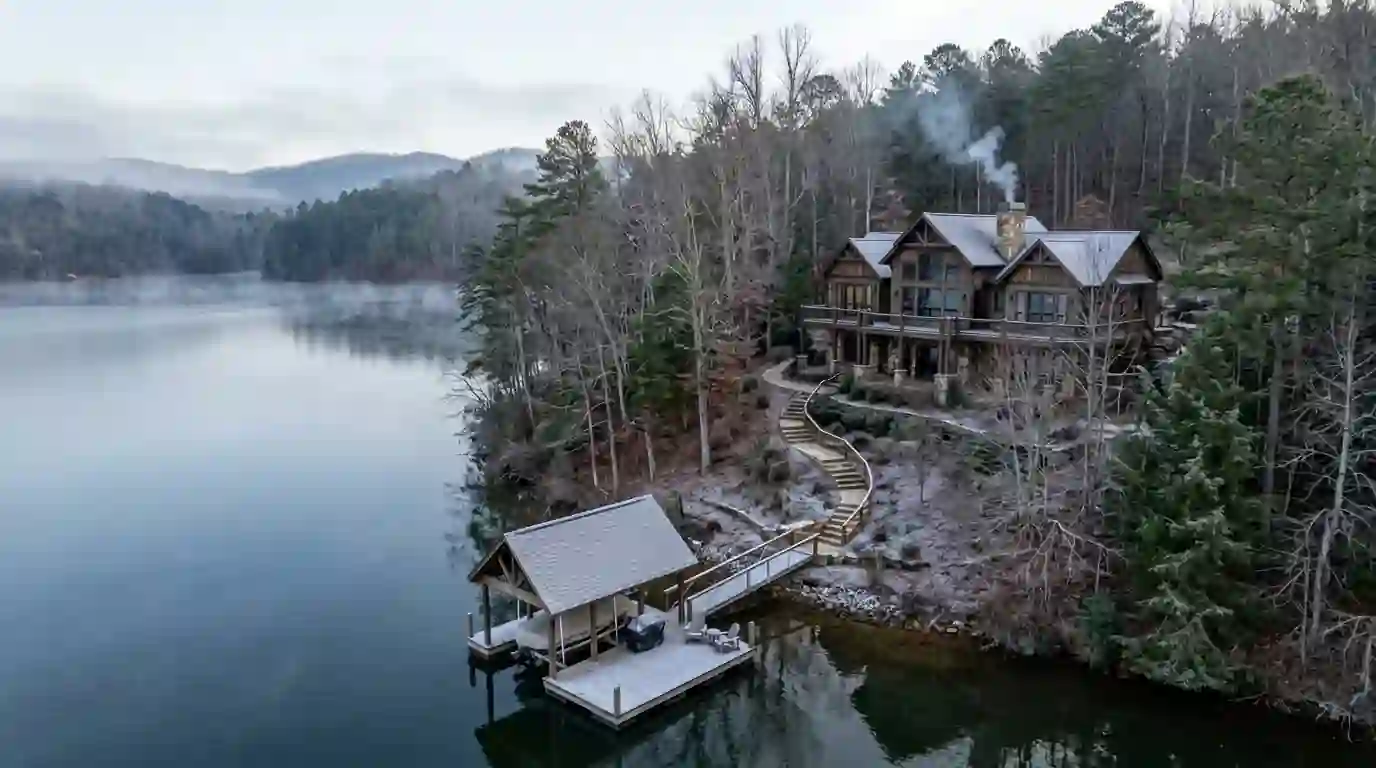
If you winterize
Shut off the main or the well pump, drain the water heater, open every faucet, flush toilets and blow out the lines. Pour plumbing antifreeze into traps and toilet bowls so they do not crack.
The well house and outside lines
Heat the well house with a thermostatically controlled heater, insulate the pressure tank piping, and drain any lines that run to docks, boathouses or outdoor showers.
Spring start-up
Refill slowly, open faucets to bleed air, check under sinks and around the water heater for drips, and restart the water heater only once the tank is full.
Questions readers ask
How cold does it have to get for lake home pipes to freeze?
Exposed pipes in unheated spaces can freeze when temperatures stay in the low twenties or below for several hours, sooner with wind off the water.
Can you winterize my lake home for me?
Yes. We drain, protect and document the system in the fall and restart it in spring.
Sidney Treadway edits Homeowner Help for Plumbcraft Services, turning the questions our plumbers hear on calls into plain, practical articles for Upstate homeowners. About the editor