How to test
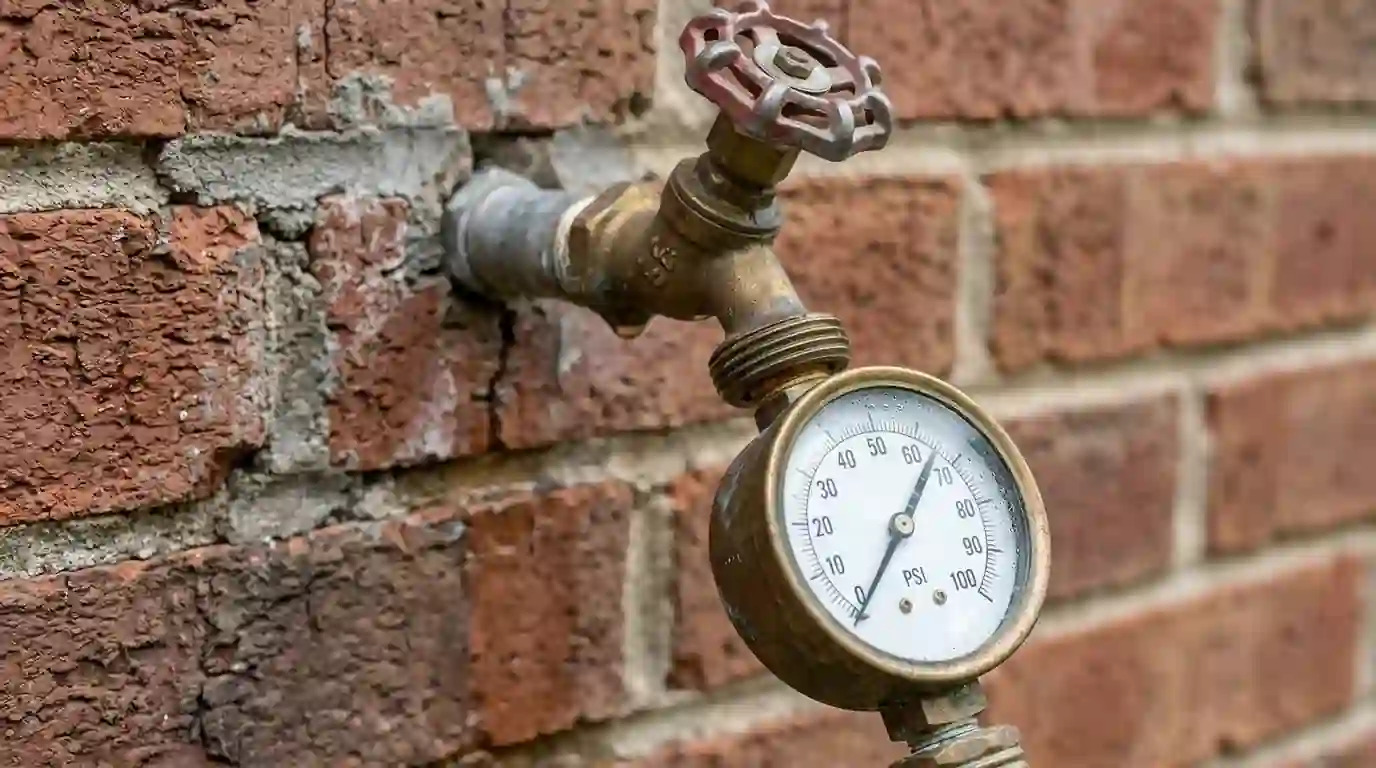
Screw a pressure gauge onto an outdoor spigot or washer valve, make sure no water is running inside, and open the valve. Read the number. Test again in the morning and evening, since pressure can change.
What the numbers mean
Most homes should read between 40 and 80 psi. Below 40, fixtures feel weak. Above 80, wear on valves, hoses and the water heater increases.
- Under 40 psi: low
- 40 to 80 psi: normal
- Over 80 psi: high
If it is high
A pressure reducing valve near the main brings the whole house into range. If you already have one, it may have failed.
If it is low
Low pressure can come from galvanized pipe, a failing pressure valve, a partly closed main or a supply issue.
Static pressure versus flow
The number on a gauge with nothing running is static pressure. It can read fine even when flow at the shower is poor, because narrow, rusted pipe or a clogged fixture limits how much water can move. If your reading is normal but showers are weak, the problem is more likely inside the house than at the street.
Galvanized steel pipe, common in older Greenville homes, narrows over the years as rust builds inside, which is why far fixtures lose flow first.
Thermal expansion and the relief valve
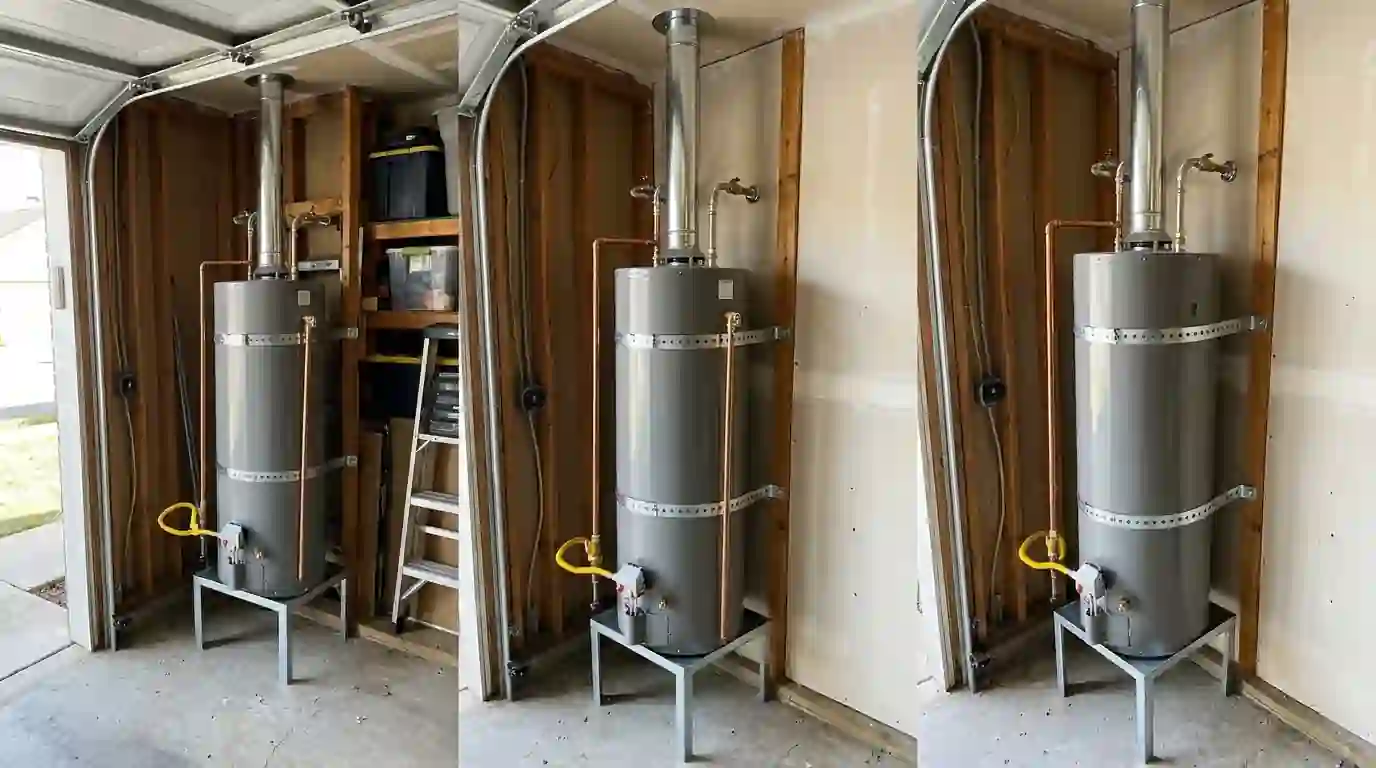
When a pressure reducing valve or backflow device is installed, water heated in the tank has nowhere to expand. Pressure spikes each time the heater runs, and the relief valve drips. An expansion tank near the water heater absorbs that extra volume and is a common fix.
Questions readers ask
Can high pressure cause a water heater to leak?
It can contribute to relief valve drips and stress on fittings.
Why did my pressure suddenly drop?
A failing pressure valve, a leak, or a utility issue are common causes.
Sidney Treadway edits Homeowner Help for Plumbcraft Services, turning the questions our plumbers hear on calls into plain, practical articles for Upstate homeowners. About the editor