The usual suspects
Grease, coffee grounds, starchy foods and fibrous peels are behind most kitchen clogs.
- Bacon grease and cooking oil
- Coffee grounds
- Rice and pasta
- Potato and onion peels
- Eggshells
Why grease is the worst
Grease cools and clings to the pipe wall, catching everything else that goes by.
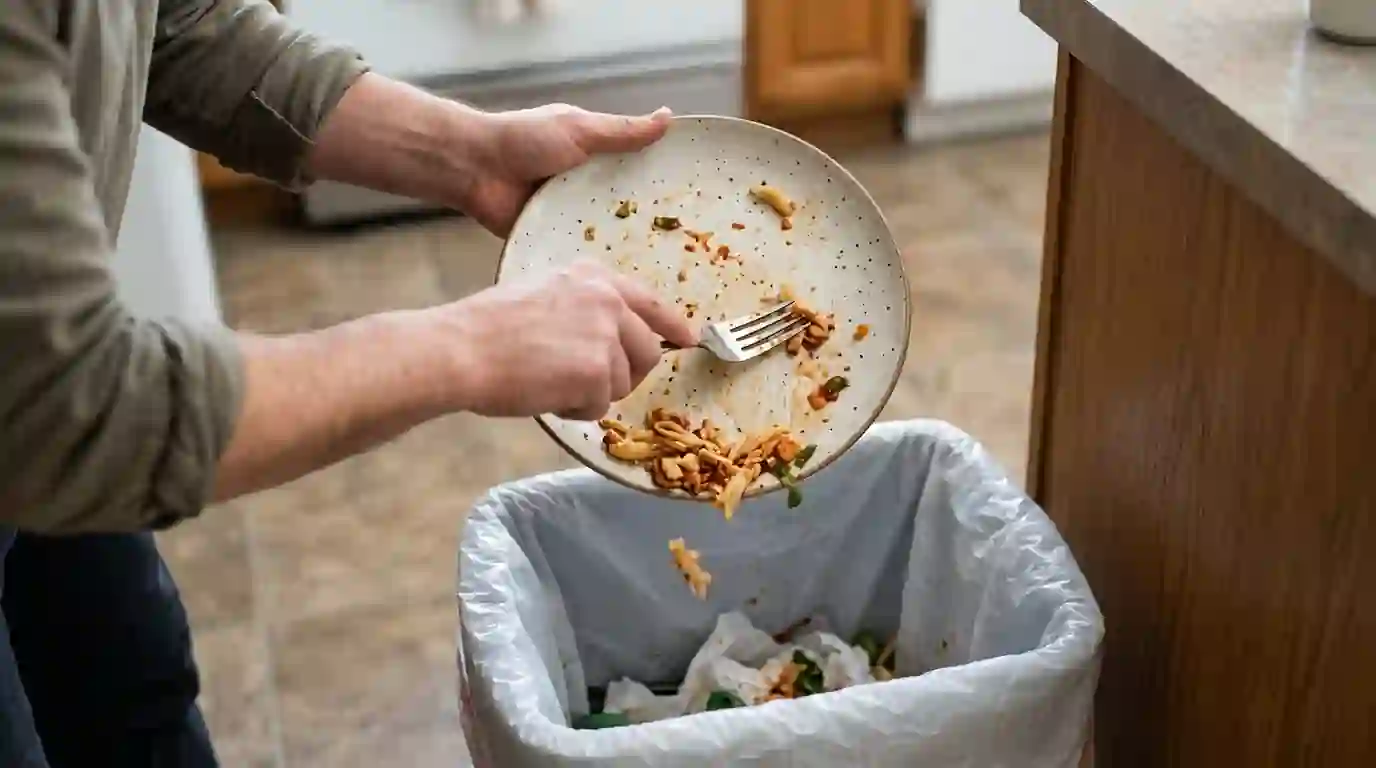
Better habits
Scrape plates into the trash, wipe greasy pans with a paper towel before washing, and run cold water when using a disposal.
When to call
If the sink drains slowly after a plunger, or the dishwasher backs into the sink, the line needs cleaning.
Bathroom drains have their own problems
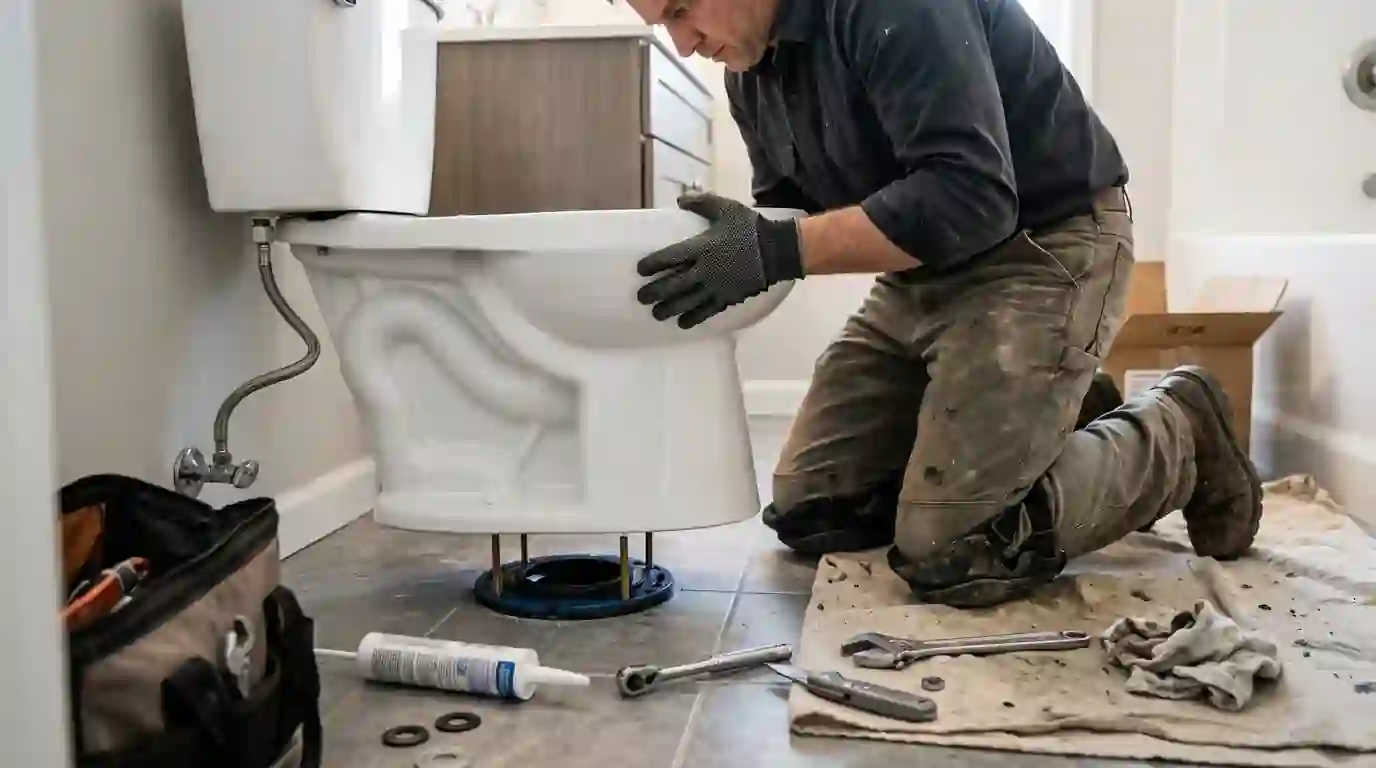
In bathrooms, hair and soap are the main causes of slow drains. A hair catcher on the shower and tub drains stops most clogs before they start. Flushable wipes, cotton swabs and paper towels do not break down like toilet paper and are a common cause of toilet and main line clogs.
If several drains slow down at once, the problem is likely in the main line, not the fixture.
When a clog keeps coming back
A kitchen line that clogs every few months usually has buildup along the whole pipe, not just a single blockage. Hydro jetting cleans the pipe wall instead of punching a hole through the clog, and a camera shows whether a sag or damaged section is part of the problem.
Questions readers ask
Does hot water flush grease away?
Only briefly. It cools further down the line and sticks there.
Are enzyme cleaners worth using?
They can help as maintenance but will not clear a real clog.
Sidney Treadway edits Homeowner Help for Plumbcraft Services, turning the questions our plumbers hear on calls into plain, practical articles for Upstate homeowners. About the editor