What goes down the drain matters
Septic tanks rely on bacteria to break down waste. Grease, wipes and harsh chemicals disrupt that and clog lines.
- No wipes, even flushable ones
- Keep grease out of the sink
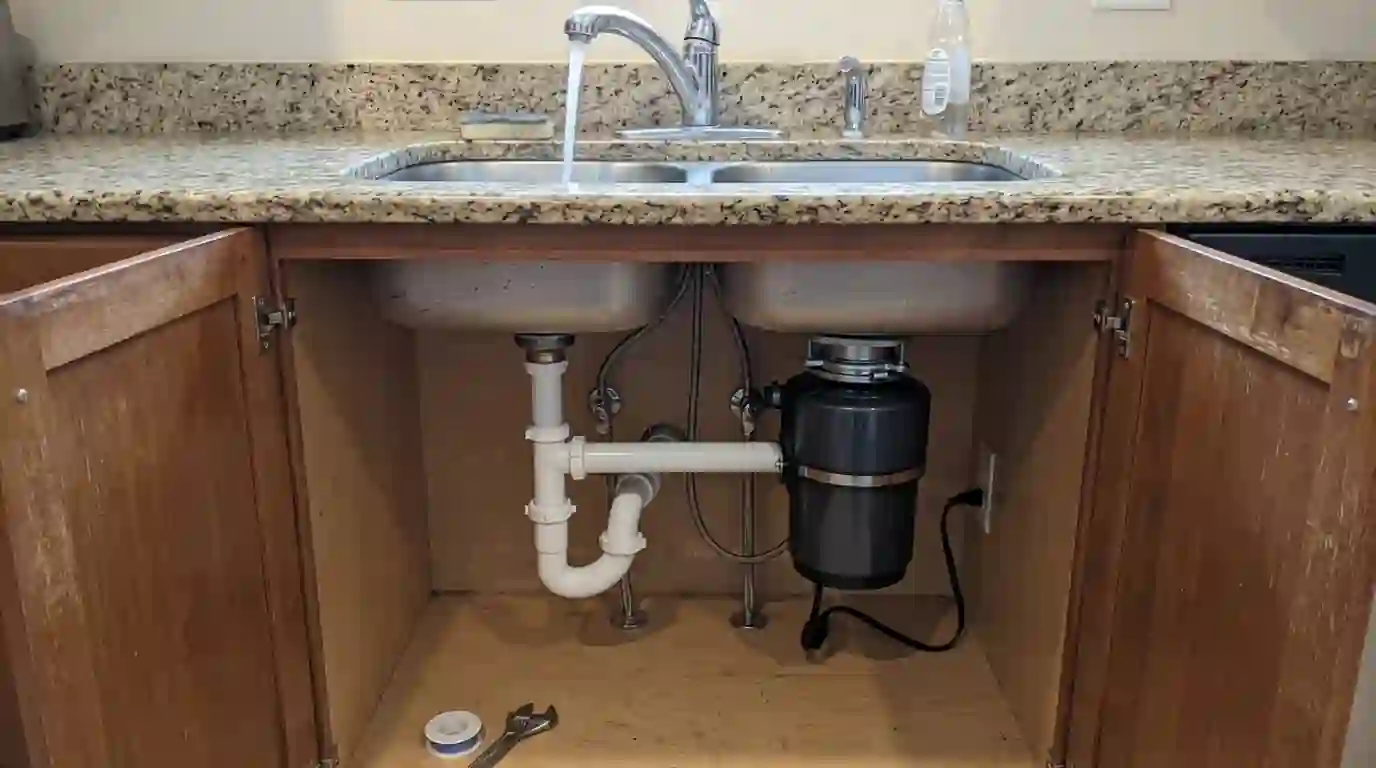
- Use the disposal lightly
- Spread laundry loads through the week
Pump on schedule
Most tanks need pumping every three to five years, depending on household size.
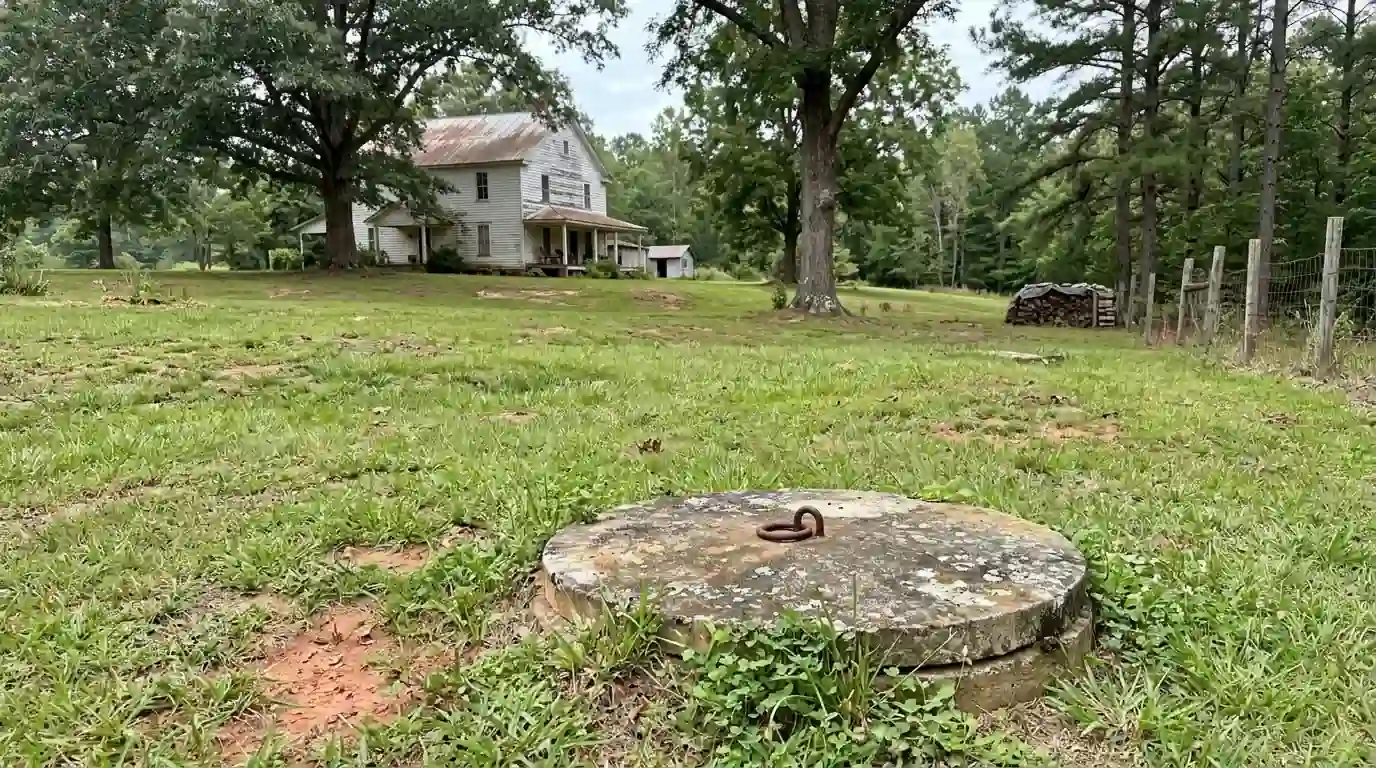
Watch for warning signs
Slow drains throughout the house, gurgling, odors or a wet area over the drain field all deserve attention.
Line or tank?
If the tank was pumped recently and drains still back up, the line from the house or the inlet baffle is the likely cause.
Laundry and septic
Washing machines send a lot of water to the tank at once. Spreading loads through the week, rather than doing them all on Saturday, gives the tank time to settle and keeps solids from being pushed into the drain field.
Lint from synthetic fabrics does not break down well, and a simple lint filter on the washer discharge can help.
Protect the drain field
Do not park or drive on the drain field, keep downspouts and sump discharge away from it, and avoid planting trees nearby. A drain field that is overloaded with water or crushed by weight fails much sooner, and replacing one costs far more than any plumbing repair.
Questions readers ask
Are flushable wipes safe for septic systems?
No. They do not break down quickly and often clog lines.
Can a plumber pump my septic tank?
Septic pumping is done by septic companies. Plumbers handle the lines from the house to the tank.
Sidney Treadway edits Homeowner Help for Plumbcraft Services, turning the questions our plumbers hear on calls into plain, practical articles for Upstate homeowners. About the editor