Why polybutylene became a problem
Over years of use, polybutylene can become brittle, and its fittings can crack or slip without warning. Failures tend to happen at joints and are often sudden rather than slow drips. Because of that, many insurers ask about it, and home inspectors flag it.
How to identify it
Look under sinks, at the water heater, and where the main line enters the house. Polybutylene is usually gray, sometimes blue or black, and flexible. It is often stamped with the code PB2110. Fittings may be plastic or have copper or aluminum crimp rings.
- Gray flexible pipe under sinks
- PB2110 printed on the pipe
- Crimp ring fittings
- A gray or blue service line entering from the yard
What replacement involves
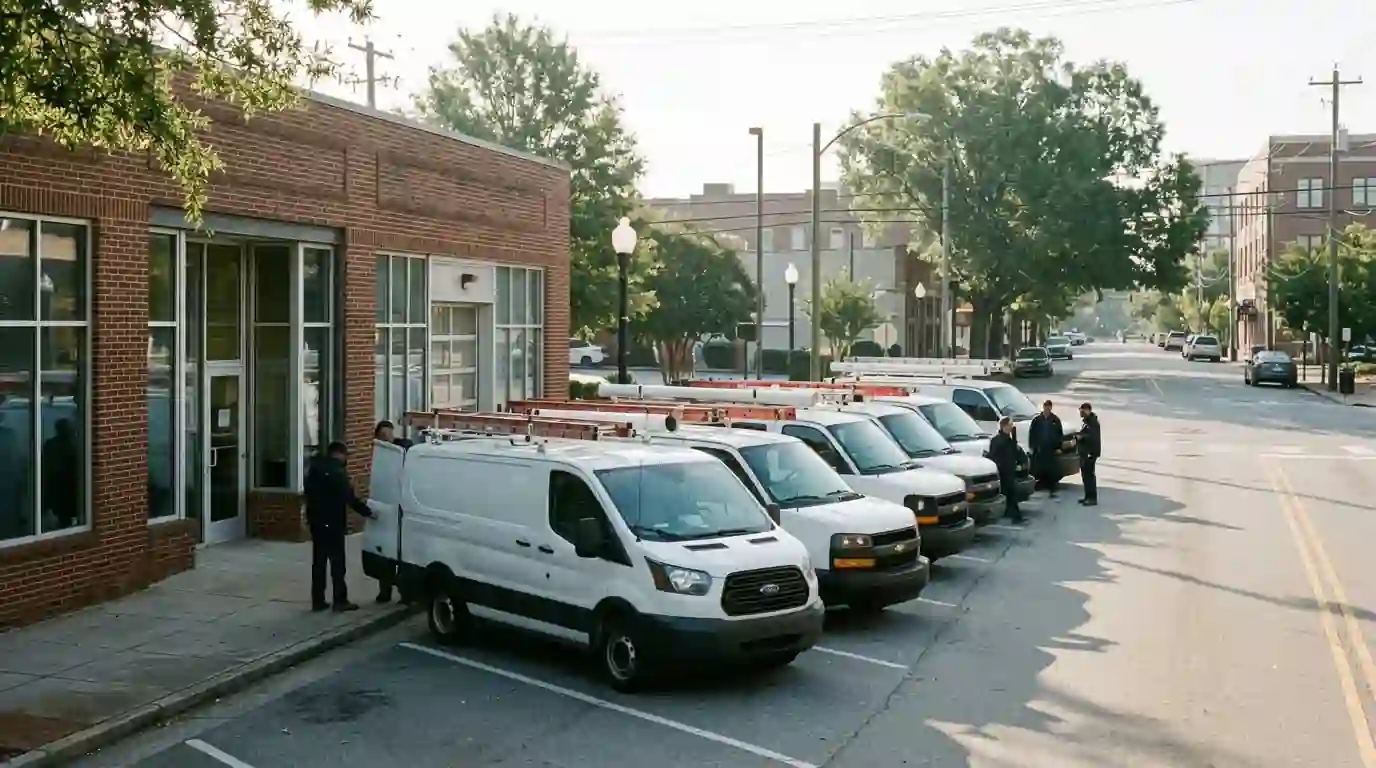
Replacing polybutylene is a planned repipe. In a crawl space home, most new lines run under the floor with only a few small wall openings. Slab homes usually get new lines through the attic and down the walls. Most homes are finished in two to four days.
Do not forget the service line
Some homes also have a polybutylene line running from the meter to the house. If yours does, it makes sense to replace it at the same time, since it is buried and a failure there can be hard to find.
Questions readers ask
Can I wait to replace polybutylene until it leaks?
You can, but failures often release a lot of water at once. Planning the replacement avoids the damage and lets you choose the timing.
Is PEX the same as polybutylene?
No. PEX is a different material with a strong track record. It is one of the most common choices for replacing polybutylene.
Sidney Treadway edits Homeowner Help for Plumbcraft Services, turning the questions our plumbers hear on calls into plain, practical articles for Upstate homeowners. About the editor